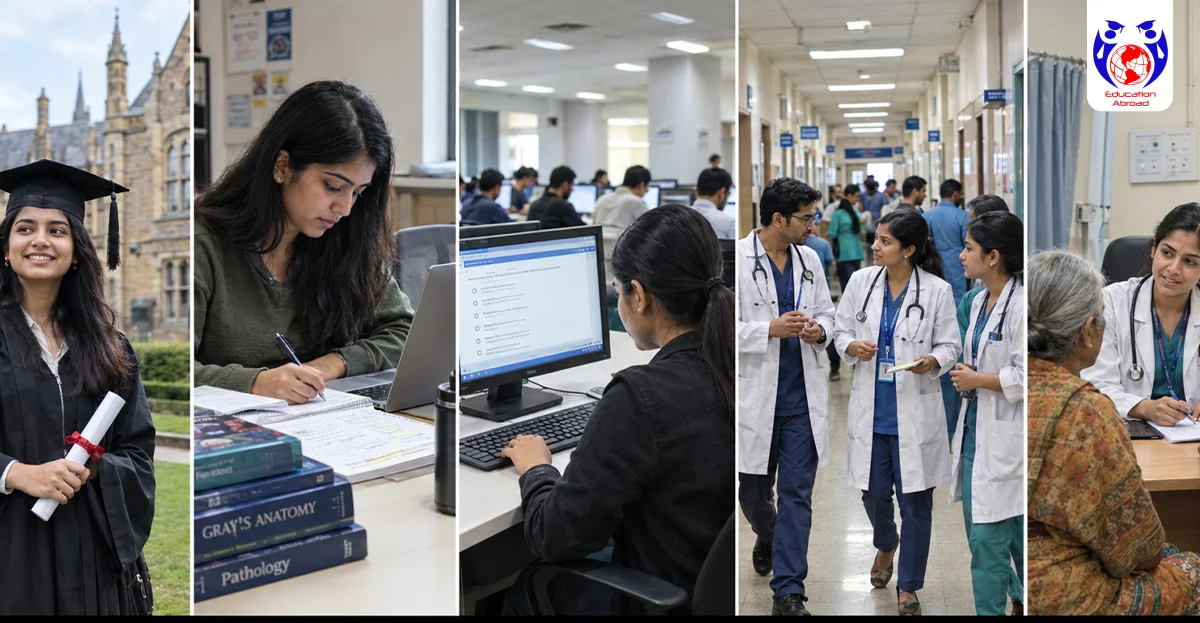

MBBS abroad is becoming a popular option among Indian aspirants due to several reasons, such as affordability, high-quality education, and excellent infrastructure. Besides, the admission process to universities abroad is also quite straightforward. Aspirants have been seeking medical education in countries such as Russia, Georgia, Kazakhstan, and Kyrgyzstan.
However, there are also a few hidden costs that MBBS abroad aspirants ignore when selecting universities. These costs can significantly increase the overall cost of MBBS abroad.
This blog provides an in-depth understanding of the hidden costs of MBBS abroad that students often overlook.
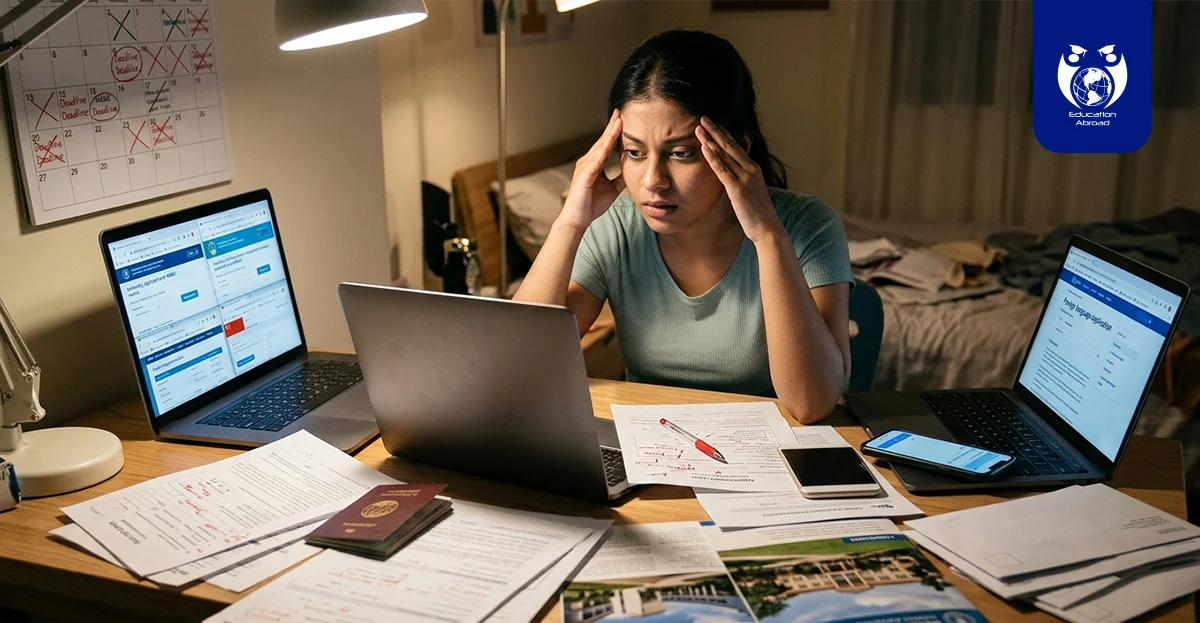
Many universities/consultants mislead students into very low fee structures that result in them believing that it represents the MBBS abroad total cost. But in reality, the total cost includes various other mandatory/optional expenditures that may not be specified clearly during the admission process.
Ignoring such MBBS abroad expenses can lead to:
Before applying to a university for MBBS abroad, students often ignore the admission and application fee expenses, such as university fees for application, documentation charges, admission confirmation fee, registration fees, etc.
Though these are small expenses, they can significantly add up to a bigger expense.
A student visa is mandatory for studying MBBS abroad, and requires various visa-related expenses such as:
Air travel expenses not only include the first flight expenses, but also when students travel during vacations. Therefore, international travel usually occurs multiple times, leading to added cost.
The travel costs include:
Many countries require international students to have a valid medical insurance throughout their MBBS journey. Health insurance usually covers:
Health insurance is mandatory and must be renewed every year.
Living expenses depend a lot on your MBBS destination. However, recurring expenses add up to these costs.
Food expenses also depend on the city where you are staying, as well as your lifestyle. Food expenses include groceries, fruits & vegetables, along with the cost of dining out at a cafe or restaurant.
The MBBS abroad budget also depends on this factor, as medical education requires academic resources on a large scale. Students are required to purchase:
Digital resources are also provided to students to a large extent; however, some study materials need to be purchased.
This also includes the cost of buying professional clinical equipment for practical training. These include stethoscopes, lab coats, dissection kits, gloves, and accessories, etc.
Indian students who study MBBS abroad must clear the FMGE exam to practice medicine in India. Preparation for licensing exams includes costs like:
Students are also required to pay currency exchange charges, ATM withdrawal fees, international transfer fees, etc.
MBBS abroad cost for Indian students also includes the cost of buying winter clothing such as jackets, coats, thermal clothing, boots, gloves, etc.
At the time of the completion of the MBBS degree and graduation, students may have to pay for expenses like:
Before choosing a university, MBBS aspirants must consider the following factors:
Studying MBBS abroad can be a great choice to build your medical career, with its quality education and international exposure at an affordable cost. However, tuition fees represent only one part of the total MBBS cost. Hidden costs such as visa fees, insurance, travel, living expenses, examination charges, and licensing exam preparation can drastically increase the total cost of doing MBBS abroad, and must be considered during MBBS abroad financial planning.
Students and parents must do proper research, seek transparent counselling, and prepare a realistic financial plan before choosing a university. Understanding these hidden costs well in advance can help avoid financial stress and ensure a smooth and successful MBBS journey of a student.
Also Read: Best MBBS Abroad Consultants in India for Indian Students
Q.1 What are the hidden costs of studying MBBS abroad?
Ans. Besides tuition fees, students may have to bear costs such as visa fees, health insurance, airfare, hostel security deposits, living expenses, medical equipment purchases, and licensing exam preparation costs. These additional expenses can significantly increase the overall cost of studying MBBS abroad.
Q.2 Are hostel and food expenses included in the MBBS tuition fee abroad?
In most cases, tuition fees and hostel fees are separate. Some universities offer combined deals that include accommodation, while food expenses are usually paid by students independently. It is important to check the fee structure carefully before admission.
4. Why is financial planning necessary before pursuing an MBBS abroad?
Proper financial planning helps students and parents understand the total MBBS cost, avoid unexpected expenses, manage living costs effectively, and ensure a smooth MBBS abroad journey.