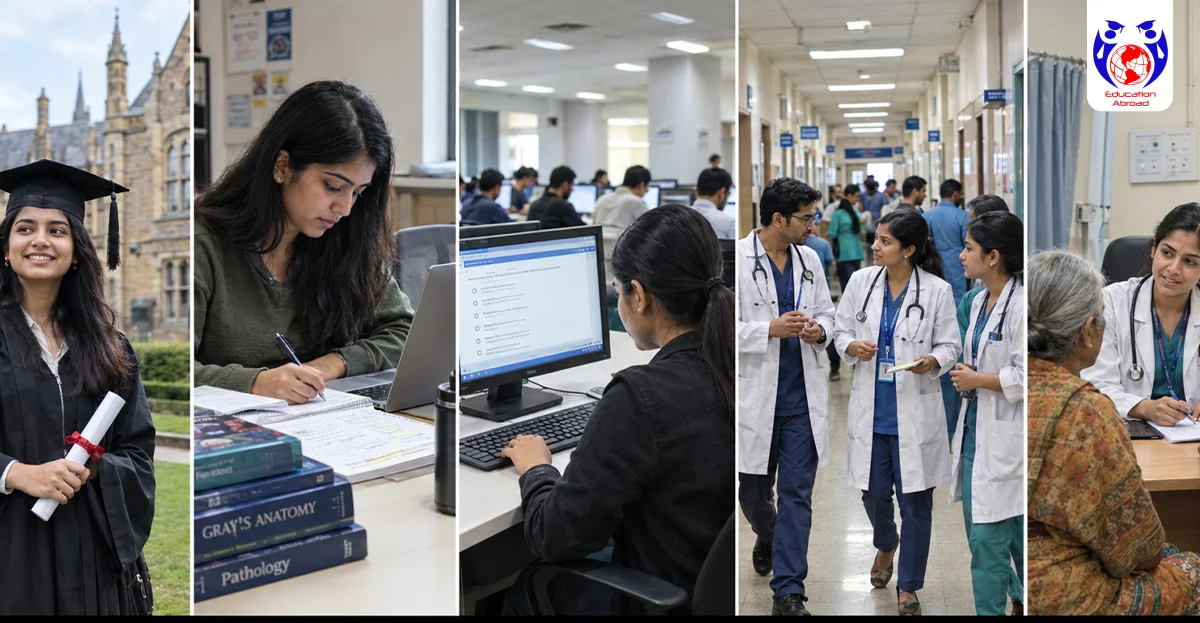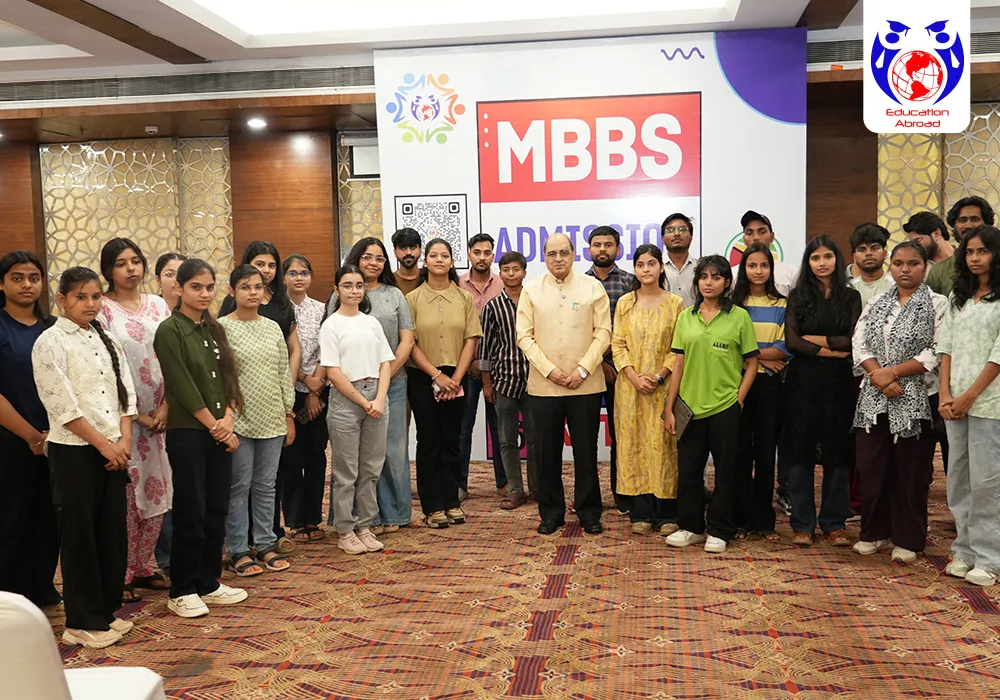
Winter Intake 2026 is more than just another admission cycle for thousands of medical aspirants. It’s a second chance to begin the MBBS abroad journey without waiting an entire year as well. As competition rises and medical seats remain limited, applying for the winter intake gives students flexibility and better preparation time.
If you're planning for MBBS admission abroad, here are the top countries offering Winter Intake 2026, along with what makes them truly stand out.
Winter intake is a long-established feature in Russia, with admissions generally opening from January to March 2026.
Russia remains a powerhouse destination for MBBS abroad. This is especially for students seeking structured academic frameworks and world-class medical research exposure.
➨ Also Read: Top 5 Cheapest Countries to Study MBBS for Indian Students in 2025
In recent years, Kazakhstan has become one of the most popular MBBS destinations for students from Asia and Africa.
Most universities accept winter applications between February and March 2026.
The rapid educational development and easy adaptation for international students in the country make it an excellent winter-intake choice.
With improved educational infrastructure and a surge in international student recruitment, Uzbekistan has become a strong competitor in MBBS overseas.
Winter MBBS admissions generally occur in January–February 2026.
Uzbekistan offers an excellent mix of affordability, academic quality, and a comfortable learning environment.
Modern hospitals, strong academic policies, and European-style infrastructure make Georgia a top pick, especially for students looking for European standards at an affordable price.
Most universities open winter admissions in January 2026.
Georgia’s emphasis on technology-driven medical learning makes it a very attractive winter-intake option.
Known for its long history of welcoming medical students, Kyrgyzstan offers an excellent opportunity for MBBS aspirants seeking value + quality.
Typically, from January to February 2026.
For students on a budget, Kyrgyzstan consistently provides one of the best MBBS pathways abroad.
The Philippines continues to attract Indian and international students thanks to its American-style medical training system.
Most medical schools accept students for the January 2026 intake.
Its strong track record for USMLE and NExT makes the Philippines an excellent long-term career option.
Before finalising your destination, consider these factors:
First, you ned to ensure the university is recognised by the WHO, ECFMG, WFME, and is compliant with local medical councils.
Verify that the program is fully English-medium.
Compare tuition fees, living costs, food, transportation, and accommodation.
Check for international student services, campus security, and cultural adaptability.
This is crucial for students planning to return and practice in India.
The Winter Intake 2026 is your chance to begin your MBBS journey earlier, avoid year-long delays, and secure a seat in top global medical universities. Countries like Russia, Kazakhstan, Uzbekistan, Georgia, Kyrgyzstan, and the Philippines offer excellent opportunities, affordable education, and growing international recognition.
If you need personalised guidance for MBBS abroad, The Education Abroad is here to support you at every step, from consultation to admission to departure.
Q.1 In which month do MBBS classes start?
Answer: Classes typically start between August and October for MBBS programs abroad. This depends on the country and university. Many European and Asian medical schools begin in September, while some institutions in Russia and the Philippines may start earlier or later. Exact dates vary by academic calendar and admission cycle each year.
Q.2 Which subject is toughest in 1st year MBBS?
Answer: There is no universal maximum age to become a doctor. Most countries do not set an upper age limit for entering medical school. As long as you meet academic and admission requirements, you can pursue an MBBS/MD at any age. Some programs may have preferences, but age itself is not a barrier.
Q.3 Why do Indians go to Russia for MBBS?
Answer: Many students from India choose Russia for MBBS due to affordable tuition fees and high-quality education. Russian medical colleges offer English-medium programs, good infrastructure, and easier admission without extremely high entrance scores. This makes Russia a cost-effective and accessible option for aspiring doctors.
Q.4 Which country has more value for MBBS?
Answer: Yes. After completing MBBS in Russia, you can work in India if you clear the Foreign Medical Graduate Examination (FMGE) or NExT, conducted by the National Medical Commission (NMC). Once you pass and complete the internship requirements, you can register as a licensed doctor in India. Please bear in mind that your university must be NMC-compliant.
Q.5 Can I write FMGE without NEET?
Answer: No, in most cases, you cannot take the Foreign Medical Graduate Examination (FMGE) without a valid NEET score if you are an Indian national planning to practice medicine in India. The National Medical Commission (NMC) requires students who pursue MBBS abroad to qualify for NEET if they intend to return and practice.
Although some countries allow you to study MBBS without NEET, you will not be eligible to sit for the FMGE and therefore cannot obtain an Indian medical license, unless you have cleared NEET.