Going abroad to study medicine is quite a thrilling prospect for many Indian students. However, even though tuition charges are mostly what ends up being the determining factor, other elements go into the complete cost of studying. These costs include those discussed in The Hidden Cost of MBBS Abroad and are quite likely to be overlooked while planning for admissions.
It is also important to consider various factors such as the process of admission, facilities, and cost of living before selecting any medical university abroad.
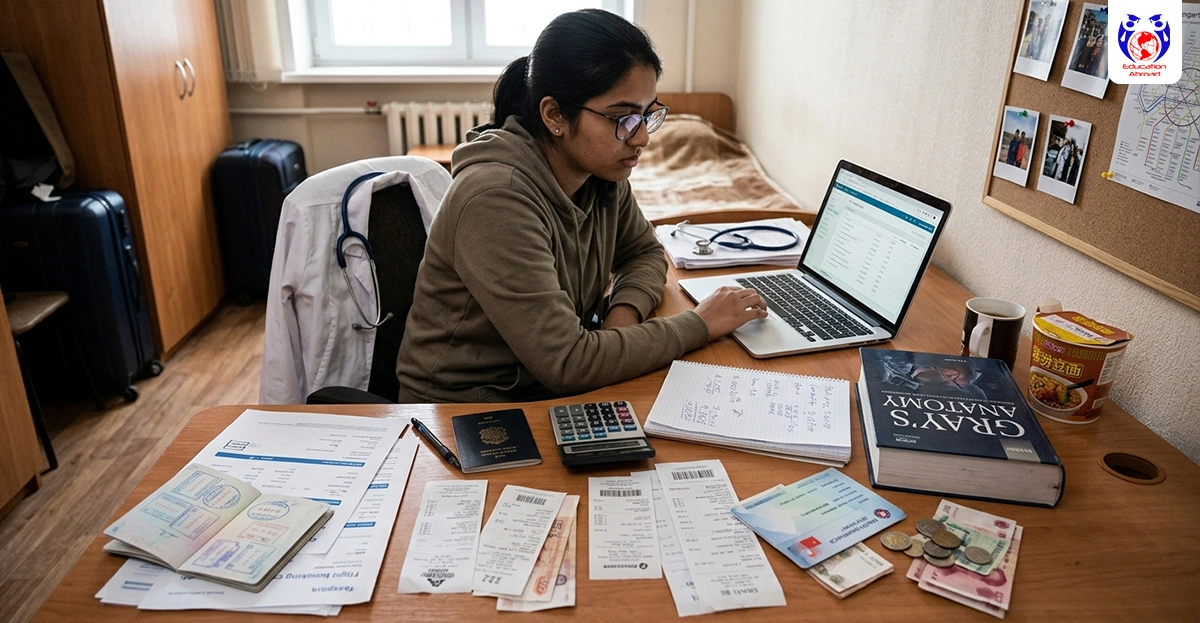
Many universities advertise affordable tuition fees, making MBBS abroad appear inexpensive. However, students also need to budget for accommodation, travel, documentation, health insurance, daily living, and other academic expenses.
Planning for these additional costs helps:
|
|
|
|
|
|
|
|
|
|
|
|
|
|
|
|
|
|
|
|
|
|
|
|
|
|
|
One of the largest MBBS Abroad Expenses after tuition is accommodation.
Many universities provide hostels for international students, while others allow private accommodation.
Hostel charges usually depend on:
Students should confirm whether hostel fees include:
Private accommodation may offer greater flexibility but often increases monthly living expenses.
Living costs vary significantly depending on the country and city.
Students generally spend on:
Also Read: Parents' Guide to MBBS Abroad: Everything You Need to Know Before Sending Your Child Overseas
Creating a monthly budget helps students control unnecessary spending while maintaining a comfortable lifestyle.
Medical Insurance for MBBS Abroad is mandatory in many countries.
Health insurance typically covers:
Students should carefully review what is covered before purchasing an insurance plan, as coverage may differ between countries and providers.
Obtaining a student visa is only the beginning. Many countries require periodic visa extensions or residence permit renewals. The Visa Renewal Charges for MBBS Abroad may include:
Students should always check the latest visa regulations through the relevant embassy or immigration authority before traveling.
International travel is another major Additional Cost of Studying MBBS Abroad. Typical travel expenses include:
Flight prices can vary significantly depending on the season and booking time.
Although many universities now provide digital learning resources, students may still need to purchase:
Some universities include these costs in academic fees, while others charge separately.
Apart from admission fees, students may also encounter additional administrative expenses, including:
Keeping extra funds aside for documentation is always advisable.
Unexpected situations can arise during a medical course. Students should maintain an emergency fund for expenses such as:
Having financial backup provides peace of mind throughout the course.
|
|
|
|
|
|
|
|
|
|
|
|
|
|
|
|
|
|
|
|
|
|
|
|
|
|
|
Students can manage expenses effectively by following these practical tips:
Many students underestimate the total cost of studying abroad. Common mistakes include:
A well-planned budget ensures a smoother academic journey without unnecessary financial stress.
MBBS Abroad Cost Not Just Tuition Fee. MBBS Abroad Cost not just covers the tuition fee; there is more to pay for the entire duration of MBBS in terms of accommodation, food, transportation, health insurance, visa renewal, study materials, and miscellaneous costs. This article on MBBS Abroad Expenses will help you make a calculated decision before applying.
When selecting universities, compare the total cost of education and also check the official admission criteria along with preparing a budget accordingly. Smart planning now can save you from troubles in the future while pursuing MBBS Abroad.
All set for pursuing MBBS abroad? Start your search with comparison and guidance on expenses and universities now.
Hidden costs include accommodation, food, travel, medical insurance, visa renewals, study materials, registration fees, and emergency expenses.
Not always. Some universities include hostel accommodation, while others charge separately. Students should verify this before admission.
Yes. Most countries require international students to have valid health insurance during their studies.
This depends on the destination country's immigration rules. Some countries require annual renewals, while others issue longer-term permits.
Planning a monthly budget, choosing university accommodation, booking flights early, using student discounts, and maintaining an emergency fund can significantly reduce overall expenses