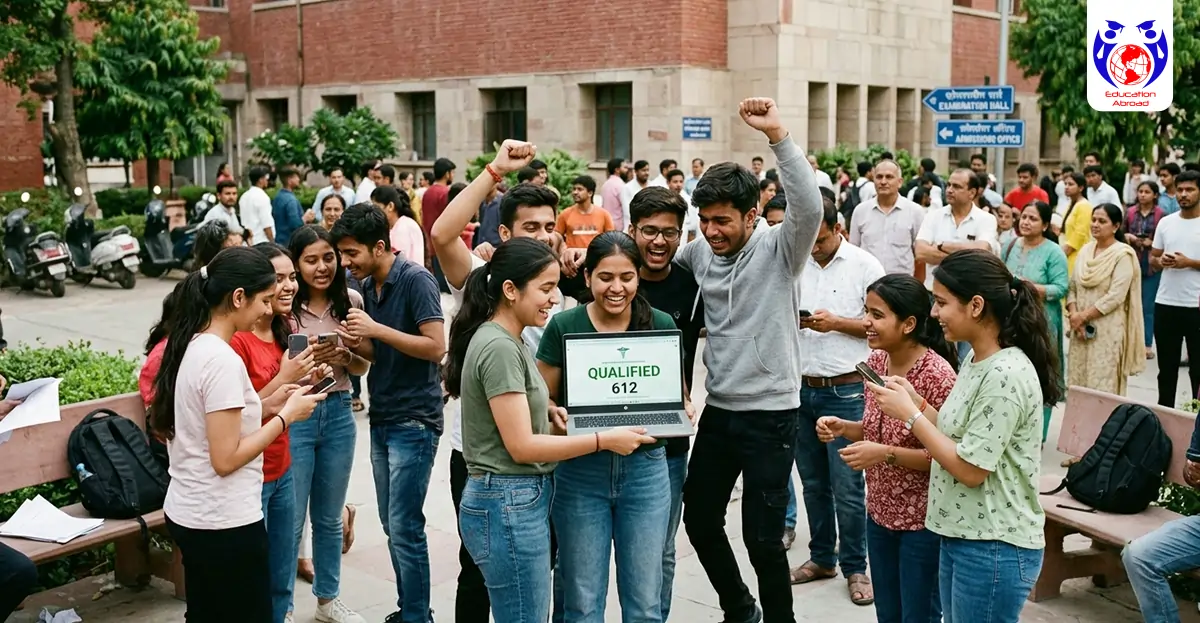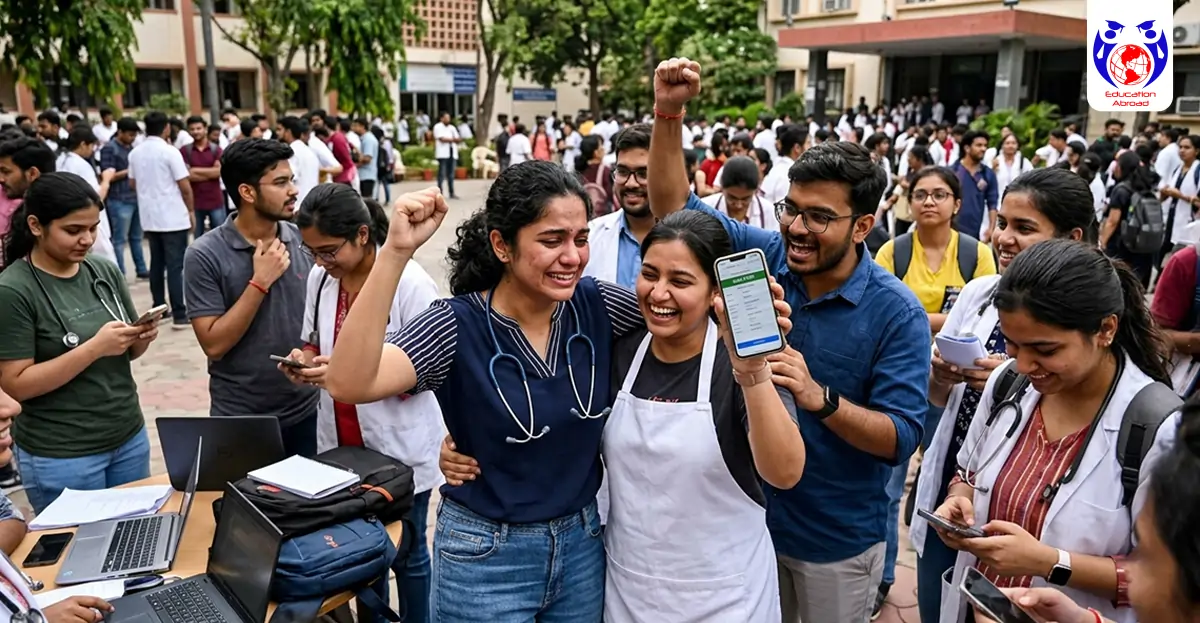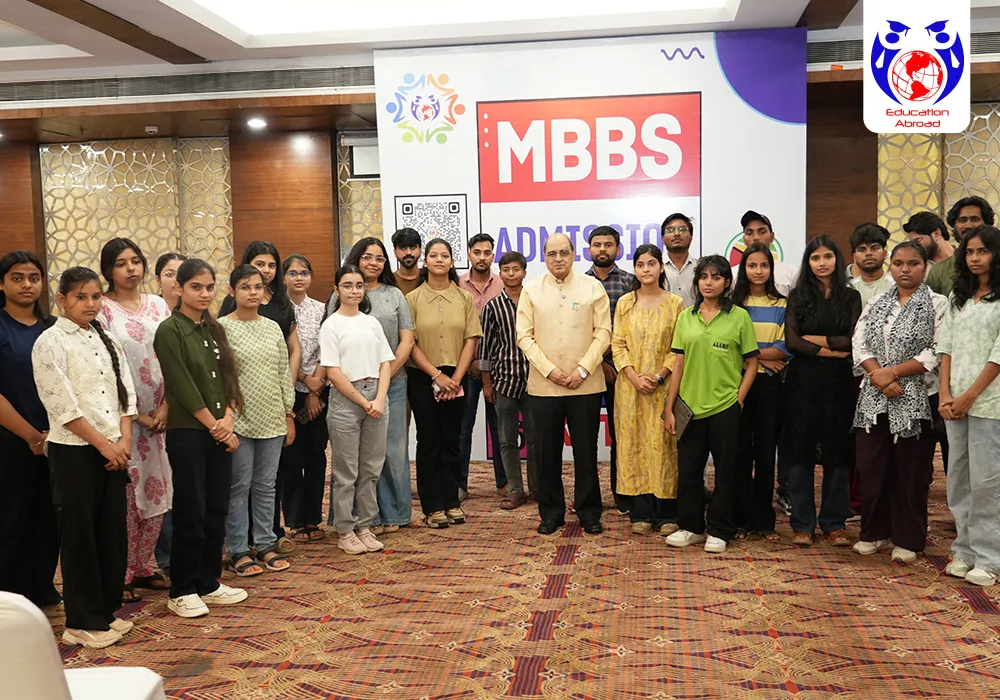
Studying MBBS abroad is a dream for thousands of medical aspirants in India. There are several reasons why medical aspirants aspire to study abroad, such as global career opportunities, affordability, and top-quality education. Owing to these advantages, studying MBBS abroad has been an emerging trend among Indian students who are looking to equip themselves with top-notch medical education at an affordable rate.
However, studying medical education abroad also comes with its own challenges, specifically cultural and language barriers.
In this blog, we will explore the options for navigating through these challenges and make your MBBS journey a smooth and fruitful one.
A lot of students opt to study in Russia if they wish to become a doctor due to various reasons, such as:
Universities abroad, especially in Russia, provide MBBS programs that are recognized and accredited by major organizations such as FAIMER and ECFMG, enabling graduates to practice medicine globally.
One of the foremost reasons why Indian students are opting for MBBS in Russia is that it offers affordable tuition fees without compromising on the quality.
The tuition fee for studying in Russia is much lower than that of the private medical colleges in India, which is a big advantage for Indian medical aspirants who wish to become doctors at an affordable price.
Studying abroad opens doors to learning multiple healthcare systems from across the globe and prepares graduates for diverse job opportunities worldwide.
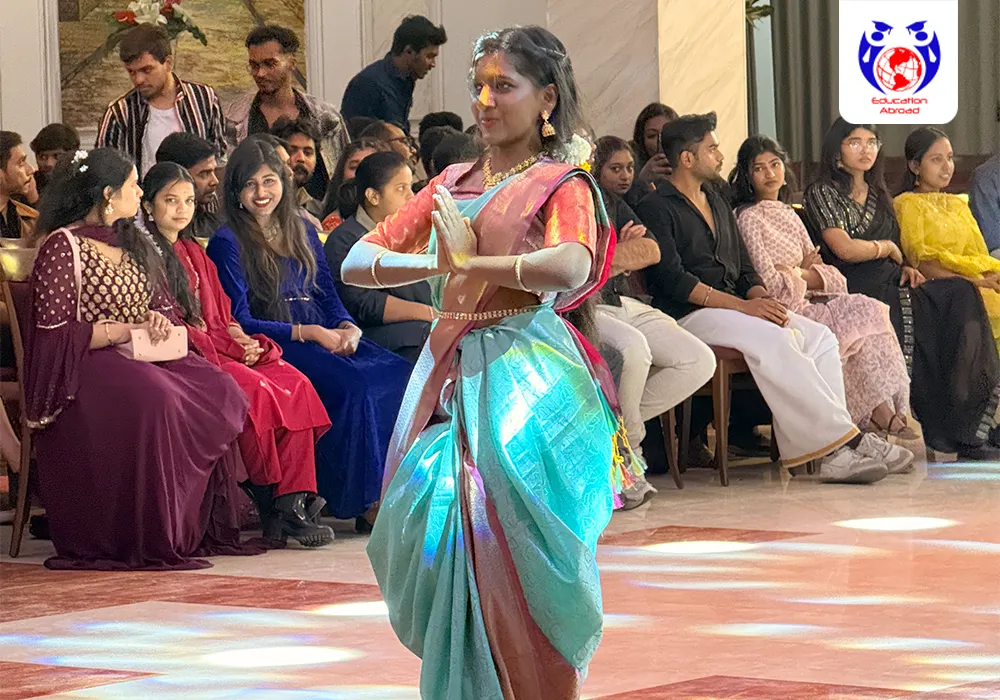
There are numerous cultural challenges when pursuing an MBBS abroad. When moving to a new country, students might have to adapt to a new culture, lifestyle, food, and an entirely new way of life. Many things may differ, from socializing to the usual day-to-day life.
Here’s how students can adjust to a new lifestyle.
Here’s how you can build social connections and relationships.
Cultural differences also significantly impact the way we connect and interact with others. In few countries, people may be reserved, while in other countries they might be outspoken. It is necessary to understand how people socialize to build relationships and connections.
These tips will help you build relationships:
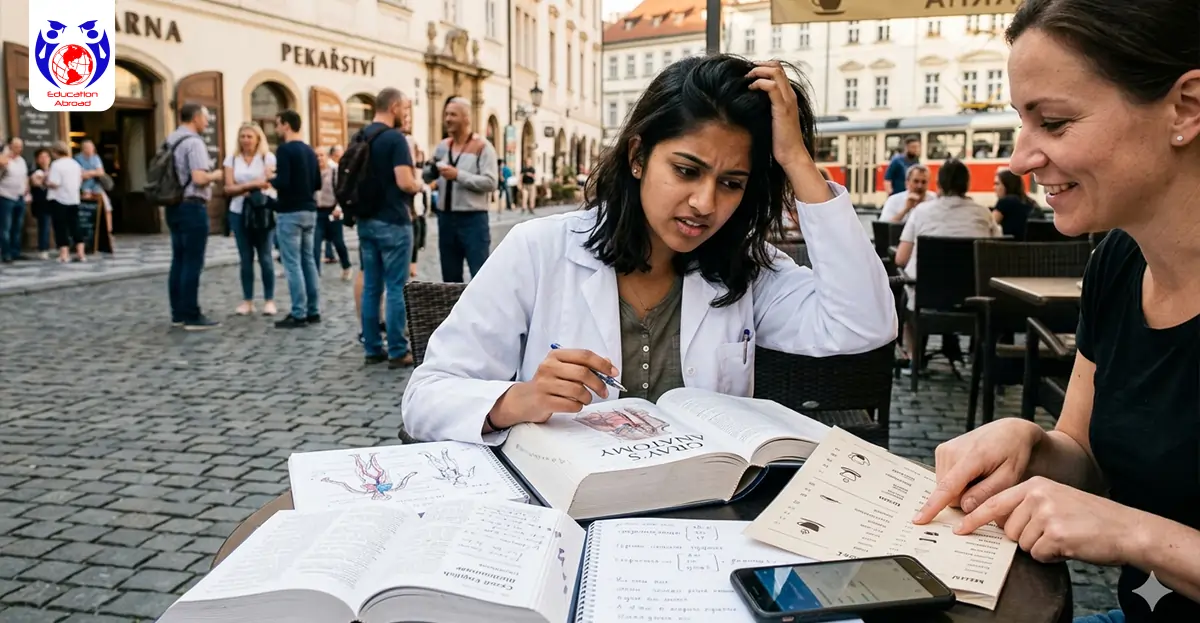
This is another big barrier that students face while pursuing their medical education abroad. Though most universities offer MBBS programs in English, the local language is still used in daily conversations, making it tough to interact outside the classroom.
It also gets difficult for the students while communicating with patients or the hospital staff during clinical rotations, as they speak their local language.
So, as a student, you must know these tips for removing any language barriers:
How to Effectively Communicate During Clinical Rotations?
Also Read: From Local to Global: How Studying Abroad Shapes Your Future Career
Studying MBBS in another country is exciting, but it can also be challenging. You may need to adjust to a new culture and learn a new language. However, if you stay open to learning, you can handle these challenges easily.
So, whether you choose to study in Russia or any other country, accepting new cultures and languages will improve your life and help your medical career.
Q.1 How to overcome language barriers while doing MBBS abroad?
Ans. Most universities abroad teach MBBS in English medium. However, it is important to know the local language to facilitate day-to-day communication. Students can opt for language preparation courses, language learning apps, and practice with local people to overcome language barriers while studying abroad.
Q.2 How to build relationships and connections with people while studying abroad?
Ans. Students can join local clubs, student clubs, and participate in local traditions to build connections and relationships while doing MBBS abroad. Students must try not to isolate themselves and socialize
Q.3 Which countries are the easiest to adapt to for Indian medical aspirants?
Ans. Russia, Armenia, the Philippines, and Georgia are popular MBBS abroad destinations among Indian students due to their ease of adaptation and affordability.
Q.4 Why is learning the local language important for doing clinical rotations?
Ans. Learning the local language is quite necessary for completing the clinical rotations, as it involves communication with the patients and the staff. A student must be proficient in the local language, as it will result in better patient care and boost confidence during clinical training.