MBBS study abroad does not only involve the process of adapting oneself to the foreign country. There will be issues of language differences, teaching methodologies, cultural behavior, and even the medical environment. Cultural adaptation for MBBS abroad involves a gradual process wherein you learn about these differences and behave accordingly. When it comes to Indian students abroad, there are a lot of things they have to adapt to.
Key Challenges in Cultural Adaptation
Although all Indian medical students go through culture shock in their own unique ways, learning about the typical obstacles is useful in preparation for their journey overseas.
- Language Barrier: MBBS is taught in English; students need the native language for their clinical work and personal interaction. Ineffective linguistic skills hamper communication with the patient and hospital staff.
- Social and Lifestyle Changes: Food, climate, transport, social practices, and everyday habits may be different from what is known to students in India. It is helpful to know about such differences to adapting to foreign culture and the new environment more easily.
- Academic and Clinical Differences: The teaching approach, the way that one interacts in class, medical ethics, and communication skills could be different from one country to another. The students will require some time to adapt to this environment.
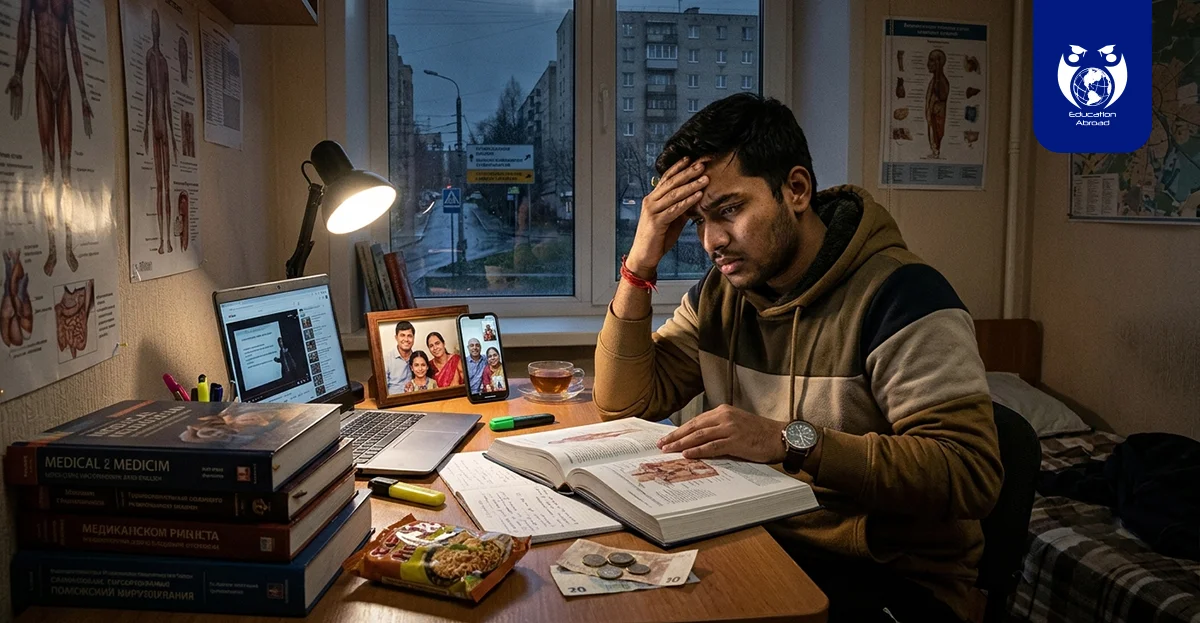
- Homesickness and Stress: Living away from family and a familiar environment while undergoing rigorous medical studies may cause some people to feel lonely and stressed. Creating supportive friendships and maintaining contact can assist Indian students abroad in this process.
Practical Steps for a Smooth Transition
However, with a little effort and thought, you can use a few effective tips that will help you cope with your environment.
- Pre-Travel Research: Understand the climate, transportation system, customs, emergency response methods, and university facilities at your destination before you travel.
- Basic Local Expressions: Learn Common Expressions; this can be helpful in day-to-day conversations and is also useful during clinical training sessions.
- Networks of Support: Remain in touch with your Indian student groups, but also meet people among the local and international students as well. Your social networks may be crucial to your cultural adjustment.
- Utilize University Services: Take advantage of various facilities that are provided by the university, such as counseling, academic advising, and the language center.
- Be Willing to Learn: Adaptation to another culture while pursuing your studies via MBBS abroad requires some time. However, observation and understanding of the differences may contribute to greater comfort in your new surroundings.
Common Cultural Challenges Faced by MBBS Students Abroad
For Indian medical students, moving abroad can bring new experiences in communication, academics, daily life, and clinical settings, making cultural adjustment an important part of the MBBS journey.
Also Read: How to Choose the Right Country for MBBS Abroad Based on Your Budget
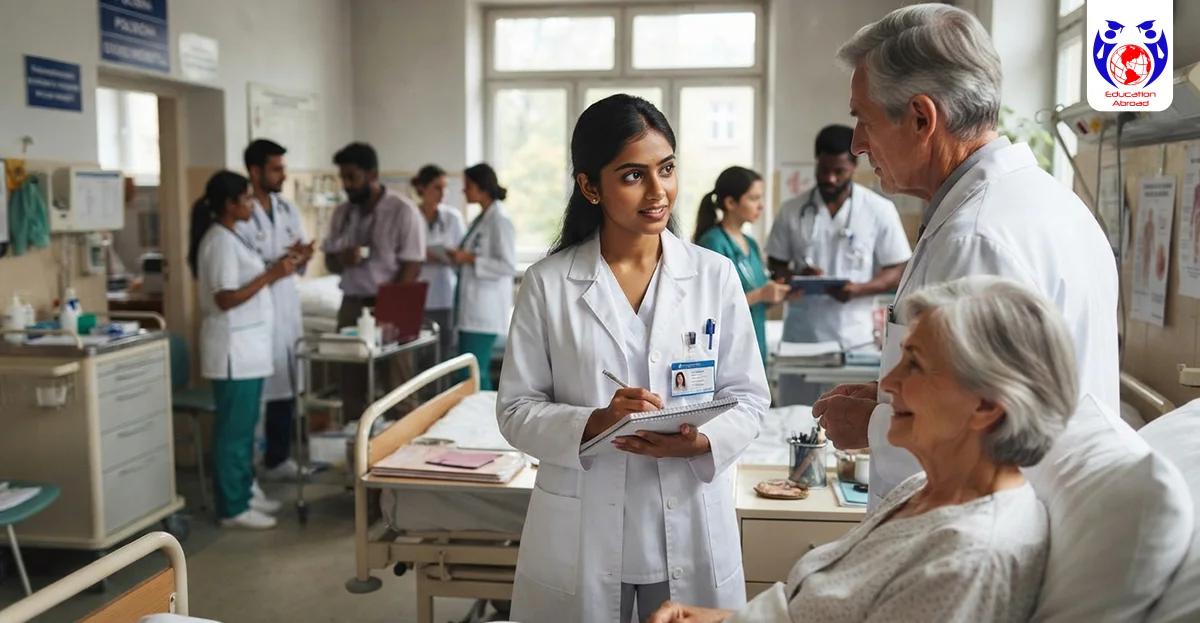
Adjusting to Hospital and Clinical Culture
The clinical training program requires cultural adaptation for MBBS abroad in a more practical sense. It is important for the students to understand the principles of professional communication, hospital etiquette, patient interactions, and working together.
The students need to pay attention to other things such as privacy, confidentiality, and respectful communication. There are some cultural and linguistic aspects that impact patient communication.
Food, Festivals and Lifestyle Changes
The food, climate, holidays, means of transportation, and time schedules might seem strange to you at first. All of this is very natural because you will be adjusting to your surroundings. You can continue living as before but also discover local customs.
Different Classroom and Teaching Styles
Such differences could be found in relation to interaction between the students and teachers, classroom participation, practical knowledge, group work, and academic requirements.
Nevertheless, there is no such teaching approach that is used in all the medical universities around the world. The students need to get accustomed to how their university functions and learn about the requirements.
How Can Indian Medical Students Adapt to a New Culture?
For Indian medical students, adapting to a new culture becomes easier with an open mindset, respect for local customs, and a willingness to learn from everyday experiences.
- Learn Basic Local Language: Start with useful everyday and clinical expressions instead of trying to become fluent immediately. Focus on phrases that can help with basic communication.
- Observe Before Making Assumptions: Pay attention to how people communicate, behave, and interact. Understanding the reason behind a custom can make adapting to foreign culture easier.
- Interact With Local and International Students: Do not limit your social circle to students from your own country. Interacting with people from different backgrounds can provide practical insight into local culture and everyday life.
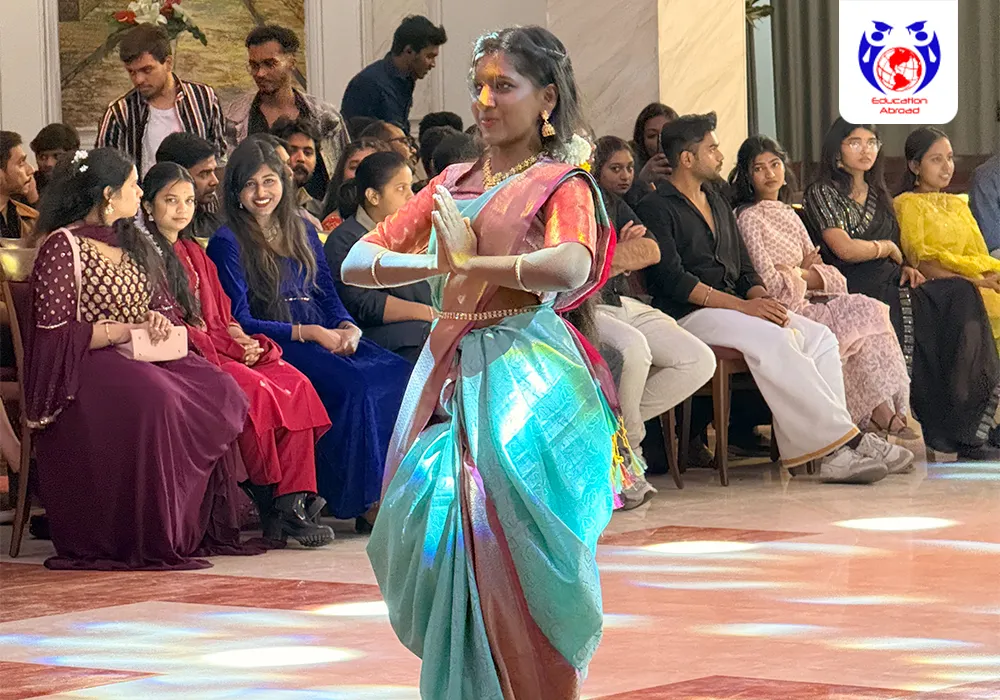
- Participate in University Activities: Cultural programmes, clubs, sports, and student events provide opportunities to meet people outside the classroom and become more familiar with the university environment.
- Ask Seniors and Faculty for Guidance: Seniors and faculty members can explain unfamiliar academic or hospital situations and help students understand expectations.
- Respect Patient and Cultural Differences: Patients may have different beliefs, communication preferences, and expectations. Students should listen carefully, avoid assumptions, and follow the guidance of their clinical supervisors.
- Give Yourself Time to Adapt: Cultural adaptation does not happen overnight. Feeling unfamiliar with a new environment at first does not mean a student will remain uncomfortable throughout the course.
Know more about: MBBS in Russia
Cultural Adaptation in Clinical Training
Clinical training further emphasizes the significance of cultural adaptation in the career of future physicians. There are five points to consider while preparing for clinical training:
- Communication: Using appropriate and respectful language.
- Observation: Observing communication verbally and non-verbally.
- Respect: Respecting that patients might have different cultures and beliefs.
- Professionalism: Following the hospital's clinical practices.
- Flexibility: Communicating flexibly based on the patient or the situation.
Health care advice stresses the need to recognize patients' preferred language and communication style within their culture.
Final Word
Cultural adaptation for MBBS study abroad is a slow process, which can help in becoming successful during the studies. The process of understanding local cultural practices, respecting the culture, and adapting in educational institutions and clinics can provide additional value for medical education of students.
It is important for students from India to maintain openness to all experiences and respect for their native culture at the same time. Learning to adapt to foreign culture requires patience and experience, and every experience can be useful.
FAQs
What is cultural adaptation for MBBS abroad?
Cultural adaptation means learning to understand and adjust to a new country's language, customs, academic environment, and healthcare practices.
Why is cultural adaptation important for Indian students abroad?
It can help students communicate more comfortably, build relationships, and understand unfamiliar academic and clinical environments.
How can MBBS students adapt to a foreign culture?
Students can learn basic local language, interact with local and international peers, participate in university activities, and seek guidance from seniors and faculty.
How does cultural adaptation help during clinical training?
It can support respectful patient communication, understanding of cultural differences, and better adjustment to local clinical practices and professional expectations